The DASH Approach Made Simple for Healthy Blood Pressure
What the DASH eating plan is, why it helps blood pressure, and easy ways to start using it at your own table this week.
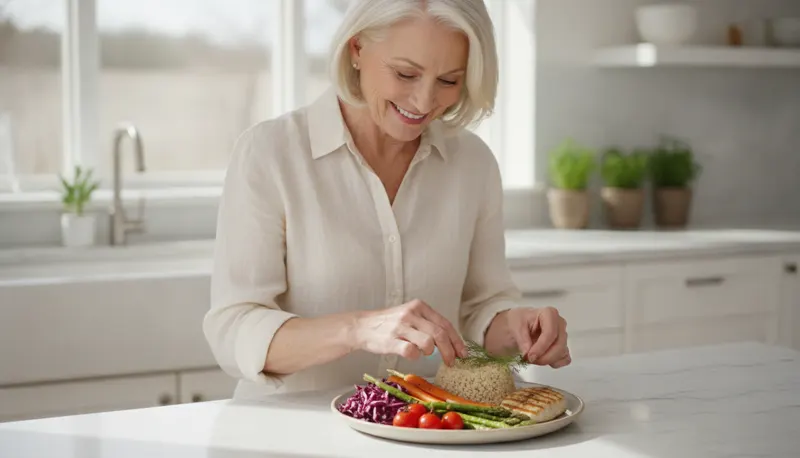
If you have ever been told to "watch what you eat" for your blood pressure, you may have wondered what that really means. Does it mean giving up everything you enjoy?
Not at all. One of the best-studied ways of eating for blood pressure is called DASH, and it is built on ordinary foods you can find in any grocery store.
What DASH stands for
DASH stands for Dietary Approaches to Stop Hypertension. Hypertension is the medical word for high blood pressure.
It was developed through research supported by the National Heart, Lung, and Blood Institute. In those studies, people who followed the DASH pattern saw their blood pressure go down, and the effect was even stronger when they also ate less sodium.
DASH is not a diet you go on and off. It is a flexible pattern of eating that you can keep for life.
The basic idea
DASH focuses on foods that are rich in potassium, calcium, magnesium, fiber, and protein, and lower in sodium, saturated fat, and added sugar.
In everyday terms, it means eating more of these:
- Vegetables, especially leafy greens, tomatoes, carrots, and broccoli.
- Fruits, fresh, frozen, or canned in their own juice.
- Whole grains, like oatmeal, brown rice, and whole wheat bread.
- Low-fat or fat-free dairy, such as milk and yogurt.
- Fish, poultry, beans, and lentils.
- Nuts and seeds, a small handful at a time.
And eating less of these:
- Salty, packaged, and processed foods.
- Fatty meats and full-fat dairy.
- Sugary drinks and sweets.
You do not have to change everything at once
The most common mistake is trying to overhaul every meal on Monday. By Thursday, it feels like too much.
Instead, pick one meal or one swap and start there. Small changes are easier to keep, and they add up over weeks and months.
Easy swaps to begin with
Here are some simple ideas that fit DASH without feeling like a sacrifice:
- Add a vegetable to lunch and dinner. A side salad, sliced cucumbers, or a handful of baby carrots counts.
- Keep fruit where you can see it. A bowl on the counter makes it the easy snack.
- Choose oatmeal instead of a sweet pastry for breakfast. Top it with berries or a sliced banana.
- Switch to whole grain bread, pasta, or rice when you shop.
- Try a meatless meal once a week with beans or lentils.
- Snack on unsalted nuts instead of chips.
- Drink water or unsweetened tea in place of soda.
Filling your plate
A simple way to think about DASH is to picture your plate. Fill about half with vegetables and fruit. Fill a quarter with a whole grain and a quarter with a lean protein such as fish, chicken, or beans.
The NHLBI's heart-healthy eating guide offers more ideas for building meals around these food groups.
Why sodium matters in DASH
DASH works best when it is paired with less sodium. The standard plan aims for no more than 2,300 mg of sodium a day. A lower-sodium version aims for 1,500 mg, which can lower blood pressure even more for many people.
Most sodium comes from packaged and restaurant foods rather than the salt shaker. Reading labels and cooking more at home are two of the easiest ways to cut back.
The role of potassium
DASH foods are naturally rich in potassium. Potassium helps balance the effects of sodium in the body.
Harvard Health explains that most people eat too much sodium and too little potassium, and that shifting this balance toward more fruits and vegetables can benefit blood pressure.
If you have kidney disease or take certain medicines, ask your doctor before increasing potassium-rich foods.
Making it work in real life
DASH fits many food traditions. Rice and beans, vegetable soups, grilled fish with greens, and fruit-based desserts can all be part of it.
The World Health Organization recommends a similar overall pattern for good health: plenty of fruits, vegetables, legumes, nuts, and whole grains, with less salt, sugar, and unhealthy fats.
Cooking at home gives you the most control. Even simple meals, like eggs with spinach and whole grain toast, are a good start.
Be patient with yourself
Your taste buds adjust over a few weeks. Foods with less salt and sugar often start to taste better than you expect.
If you slip up, that is normal. One meal does not undo your progress. Just make your next choice a good one.
When to talk to your doctor
Talk to your doctor or a registered dietitian before making big changes to your diet, especially if you have diabetes, kidney disease, or a heart condition. They can help adjust DASH to your needs.
Keep taking any medicines exactly as your doctor prescribed. Healthy eating works alongside your treatment plan, not in place of it. If your blood pressure readings change noticeably, share them with your doctor.